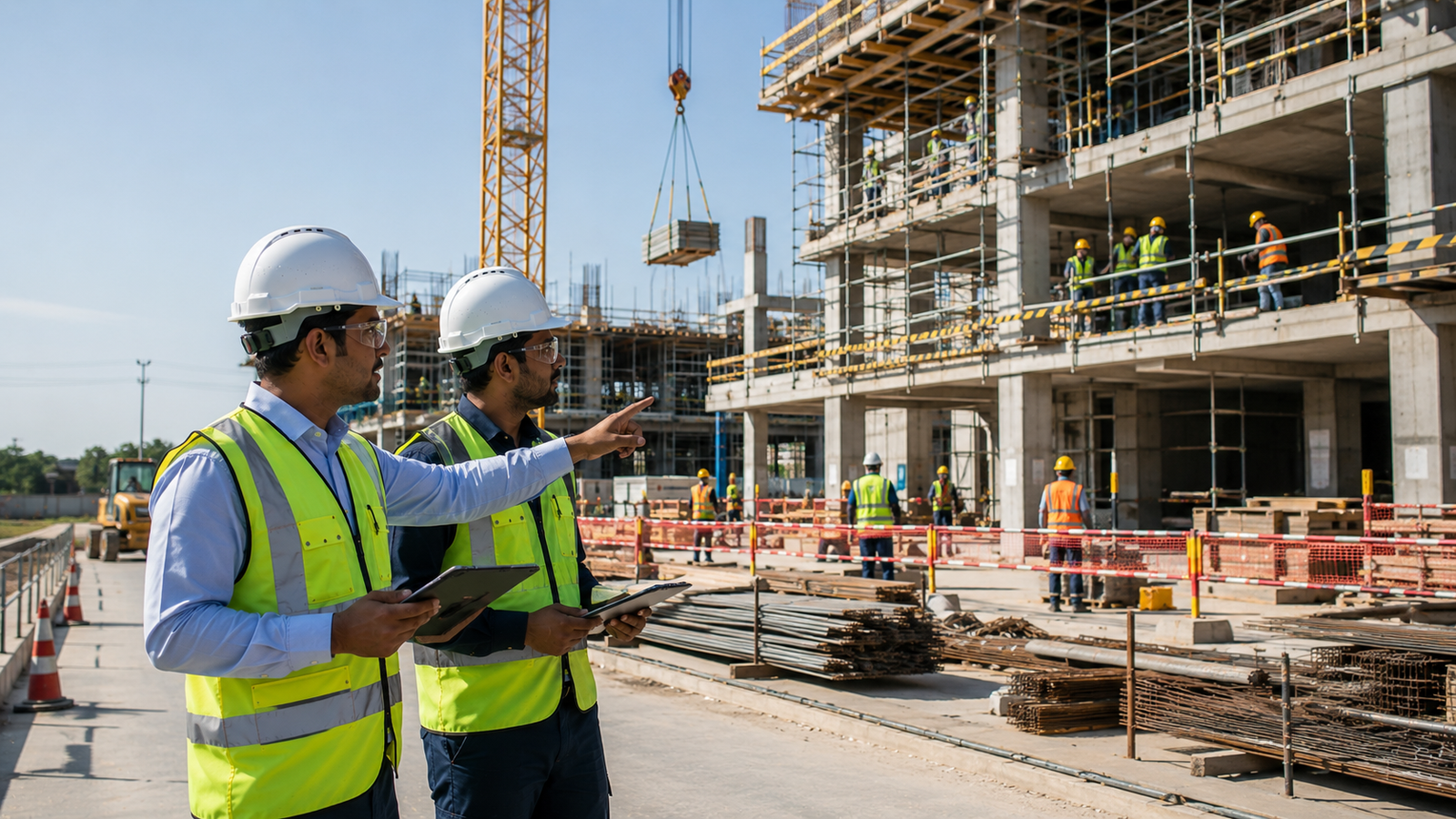
πŸ—οΈ Construction Site Safety Audit

Build Safely. Work Smart. Protect Every Person on Site.

A Construction Site Safety Audit is a systematic assessment of construction activities, workplace conditions, equipment, access systems, work-at-height practices, excavation, lifting operations, electrical installations, PPE, emergency preparedness, and overall site safety management.

Our audit helps organisations identify unsafe conditions, unsafe practices, gaps in safety controls, and potential high-risk activities before they result in injuries, property damage, project delays, or other incidents.

The focus is not simply on finding problemsβ€”it is on providing practical, prioritised recommendations that help construction teams create safer, more controlled, and productive worksites.


πŸ” What We Assess

πŸ—οΈ Site Conditions

Review of general site organisation, housekeeping, access, walkways, lighting, signage, and workplace conditions.

🦺 Worker Safety

Assessment of PPE, safe work practices, training, supervision, and worker awareness.

πŸͺœ Work at Height

Review of scaffolding, ladders, platforms, fall protection, edge protection, and work-at-height controls.

🚧 High-Risk Activities

Assessment of excavation, lifting, demolition, hot work, confined spaces, and other high-risk operations.

⚑ Electrical Safety

Review of temporary electrical systems, cables, distribution boards, earthing, protection, and electrical work practices.

🚨 Emergency Preparedness

Assessment of emergency procedures, first aid, fire protection, evacuation arrangements, and emergency access.


πŸ—οΈ Key Audit Areas

The Construction Site Safety Audit may cover:

  • πŸ—οΈ General site safety
  • 🦺 PPE compliance
  • πŸͺœ Work at height
  • πŸ—οΈ Scaffolding
  • 🚧 Excavation and trenching
  • πŸ‹οΈ Crane and lifting operations
  • πŸͺ Rigging and material handling
  • ⚑ Electrical safety
  • πŸ”₯ Hot work
  • ☣️ Hazardous materials
  • πŸšͺ Confined spaces
  • 🚜 Heavy equipment
  • πŸš› Vehicle movement
  • 🚧 Traffic management
  • πŸ› οΈ Power tools
  • πŸͺš Machinery safety
  • 🧱 Material storage
  • πŸ“¦ Housekeeping
  • πŸ•³οΈ Openings and floor hazards
  • πŸ›‘οΈ Guardrails and edge protection
  • πŸͺ§ Signage and barricading
  • πŸ’‘ Site lighting
  • 🚨 Emergency preparedness
  • 🩹 First aid
  • 🧯 Fire safety
  • πŸ“‹ Permit-to-work systems
  • πŸ”’ Lockout / isolation practices
  • πŸ‘· Worker competency
  • πŸ“š Safety training
  • πŸ“ Risk assessments
  • πŸ“„ Method statements
  • πŸ” Incident and near-miss reporting

🦺 PPE Assessment

Protective Equipment Must Match the Risk

We assess the availability, suitability, condition, and use of applicable PPE such as:

πŸͺ– Safety Helmets
Protection against applicable head hazards.

πŸ‘· High-Visibility Clothing
Improved visibility around vehicles and equipment.

πŸ₯½ Eye Protection
Protection from dust, particles, chemicals, sparks, and other hazards.

🧀 Hand Protection
Suitable gloves based on the task and identified hazard.

πŸ‘’ Safety Footwear
Appropriate protection against impact, penetration, slips, and other site hazards.

🦺 Fall Protection
Appropriate systems for workers exposed to fall hazards.

PPE Is Essentialβ€”but It Should Support, Not Replace, Effective Hazard Controls.


πŸͺœ Work at Height Audit

Prevent Falls Before They Happen

The audit may assess:

  • Guardrails
  • Edge protection
  • Safety nets where applicable
  • Working platforms
  • Ladders
  • Access systems
  • Scaffolding
  • Fall-arrest systems
  • Harnesses
  • Anchor points
  • Floor openings
  • Roof work
  • Elevated platforms
  • Work-at-height permits
  • Inspection arrangements
  • Rescue planning

Every Open Edge Is a Potential Fall Hazard.


πŸ—οΈ Scaffolding Safety

Stable Access. Safe Work. Controlled Risk.

We may review:

  • Scaffold stability
  • Base conditions
  • Platforms
  • Guardrails
  • Toe boards
  • Access ladders
  • Bracing
  • Ties
  • Safe loading
  • Housekeeping
  • Scaffold tagging
  • Inspection records
  • Alterations
  • Safe erection and dismantling practices

Scaffolds Must Be Erected, Modified, Inspected, and Used by Competent Personnel as Required.


🚧 Excavation & Trenching Safety

Ground Conditions Can Change Without Warning

The audit may examine:

  • Excavation edges
  • Barricading
  • Safe access and egress
  • Soil / ground conditions
  • Shoring or other protective systems where required
  • Spoil placement
  • Water accumulation
  • Underground services
  • Nearby structures
  • Vehicle movement
  • Inspection arrangements
  • Emergency preparedness

Never Enter an Unsafe or Unprotected Excavation.


πŸ‹οΈ Crane & Lifting Operations

Every Lift Requires Planning

We assess applicable controls around:

  • Crane condition
  • Lifting plans
  • SWL / rated capacity information
  • Operator competency
  • Riggers and signal persons
  • Lifting accessories
  • Slings
  • Shackles
  • Hooks
  • Load stability
  • Exclusion zones
  • Suspended loads
  • Ground conditions
  • Communication
  • Inspection records

Plan the Lift. Check the Equipment. Control the Area.


πŸͺ Rigging & Material Handling

The audit may review:

  • Correct lifting accessories
  • Identification and inspection
  • Sling condition
  • Shackles
  • Hooks
  • Lifting points
  • Load balance
  • Manual handling
  • Storage
  • Safe movement routes
  • Exclusion zones
  • Material stacking

Never Stand Under a Suspended Load.


⚑ Temporary Electrical Safety

Construction sites frequently rely on temporary electrical installations.

We may assess:

  • Temporary distribution boards
  • Cables
  • Extension leads
  • Plugs and sockets
  • Protective devices
  • Earthing
  • Cable routing
  • Mechanical protection
  • Water exposure
  • Electrical panels
  • Generator connections
  • Inspection records
  • Electrical isolation

Temporary Electrical Systems Still Require Proper Protection and Control.


πŸ”₯ Hot Work Safety

Activities such as:

  • Welding
  • Gas cutting
  • Grinding
  • Brazing
  • Soldering
  • Other spark-producing work

may create significant fire risks.

The audit may review:

  • Hot-work permits
  • Fire extinguishers
  • Removal / protection of combustibles
  • Gas cylinders
  • Flashback protection where applicable
  • Hose condition
  • Spark containment
  • Fire watch
  • Post-work monitoring
  • Emergency arrangements

Control the Spark Before It Starts the Fire.


🚜 Plant & Heavy Equipment

Machines Need Safe People, Safe Systems & Safe Equipment

The audit may assess:

  • Equipment condition
  • Operator competency
  • Pre-use inspections
  • Guards
  • Warning systems
  • Reverse alarms
  • Seat belts
  • Blind spots
  • Maintenance
  • Access and egress
  • Parking
  • Isolation
  • Interaction with pedestrians

Only Authorised and Competent Personnel Should Operate Equipment Within Their Scope of Competence.


πŸš› Traffic & Vehicle Safety

Separate People From Moving Equipment

We assess:

  • Vehicle routes
  • Pedestrian routes
  • Speed controls
  • Signage
  • Barricading
  • Reversing controls
  • Banksman / spotter arrangements where appropriate
  • Parking
  • Loading and unloading
  • Blind spots
  • Site entrances and exits
  • Lighting

Clear Routes. Controlled Speeds. Defined Responsibilities.


πŸ•³οΈ Openings, Edges & Floor Hazards

The audit identifies hazards such as:

  • Unprotected edges
  • Floor openings
  • Shaft openings
  • Missing covers
  • Unsafe platforms
  • Uneven surfaces
  • Trip hazards
  • Unprotected stairways

Cover It. Guard It. Barricade It. Protect It.


🧱 Material Storage & Housekeeping

An Organised Site Is a Safer Site

We assess:

  • Material stacking
  • Storage stability
  • Access routes
  • Waste management
  • Scrap materials
  • Combustible materials
  • Chemical storage
  • Walkway clearance
  • Emergency access
  • Housekeeping standards

Keep Materials Stable and Keep Emergency Routes Clear.


πŸšͺ Confined Space Safety

Where confined-space work is undertaken, the audit may review:

  • Identification of confined spaces
  • Entry controls
  • Risk assessment
  • Permit systems
  • Atmospheric testing
  • Ventilation
  • Communication
  • Standby arrangements
  • Rescue planning
  • Appropriate PPE
  • Competency and training

No Entry Without Appropriate Assessment, Controls, and Authorisation.


πŸ“‹ Permit-to-Work System

The audit may review permits for activities such as:

πŸ”₯ Hot Work
⚑ Electrical Work
πŸšͺ Confined Space Entry
πŸͺœ Work at Height
🚧 Excavation
πŸ—οΈ Critical Lifting
πŸ”’ Isolation / Energy Control

Permit β†’ Verify β†’ Control β†’ Work β†’ Close

A permit should support the safe execution of the workβ€”it should not become a paperwork exercise.


πŸ”’ Lockout / Isolation

Control Hazardous Energy Before Maintenance

The audit may assess whether appropriate arrangements exist for:

STOP β†’ ISOLATE β†’ LOCK β†’ TAG β†’ VERIFY β†’ WORK β†’ RESTORE

This may apply to electrical, mechanical, hydraulic, pneumatic, or other hazardous energy sources depending on the activity.


🚨 Emergency Preparedness

When Something Goes Wrong, Everyone Should Know What to Do

We review:

  • Emergency response plans
  • Emergency contacts
  • Evacuation routes
  • Assembly points
  • Fire protection
  • First-aid arrangements
  • Rescue equipment
  • Emergency communication
  • Site access for emergency services
  • Emergency drills
  • Worker awareness

Prepared People Respond Faster and More Effectively.


🩹 First Aid Readiness

The audit may assess:

  • First-aid facilities
  • Availability of first-aid equipment
  • First-aid personnel
  • Emergency contact information
  • Accessibility
  • Signage
  • Emergency response procedures
  • Incident reporting

First Aid Must Be Accessible When It Is Needed Most.


πŸ” Safety Documentation Review

The audit may review:

  • Risk assessments
  • Method statements
  • Job Safety Analysis
  • Permit-to-work records
  • Inspection checklists
  • Equipment inspection records
  • Training records
  • Competency records
  • Toolbox talks
  • Emergency plans
  • Incident reports
  • Near-miss reports
  • Corrective-action records
  • Previous audit reports

Good Documentation Supports Good Safety Management.


πŸ‘· Worker Competency & Training

We may review whether workers performing high-risk activities have appropriate:

  • Training
  • Competency
  • Authorisation
  • Supervision
  • Task-specific knowledge
  • Safety awareness
  • Emergency-response awareness

Particular attention may be given to:

Crane Operators β€’ Riggers β€’ Scaffolders β€’ Electricians β€’ Welders β€’ Gas Cutters β€’ Equipment Operators β€’ Work-at-Height Workers β€’ Confined-Space Teams


🧠 Behaviour & Safety Culture

Safe Sites Are Built by Safe Decisions

The audit may identify behaviours such as:

  • PPE non-compliance
  • Unsafe shortcuts
  • Improper access
  • Unsafe lifting
  • Bypassing controls
  • Poor housekeeping
  • Unauthorised equipment use
  • Unsafe work-at-height practices

The goal is not simply to identify individualsβ€”it is to identify systemic causes, supervision gaps, training needs, and opportunities to improve safety culture.


πŸ”Ž Construction Site Audit Methodology

Observe β†’ Identify β†’ Evaluate β†’ Prioritise β†’ Improve

01 β€” PRE-AUDIT REVIEW
Review available site information, procedures, risk assessments, and previous findings.

↓

02 β€” SITE WALKDOWN
Inspect active work areas, access routes, equipment, and facilities.

↓

03 β€” HIGH-RISK ACTIVITY REVIEW
Focus on work at height, lifting, excavation, electrical work, hot work, and other significant activities.

↓

04 β€” DOCUMENT REVIEW
Check permits, inspections, training, risk assessments, and other relevant records.

↓

05 β€” RISK EVALUATION
Prioritise identified hazards according to their potential consequence and urgency.

↓

06 β€” RECOMMENDATIONS
Provide practical corrective and preventive actions.

↓

07 β€” AUDIT REPORT
Document observations, evidence, priorities, and recommended actions.

↓

08 β€” FOLLOW-UP
Where included, review corrective-action progress and closure.


πŸ“Š Risk-Based Findings

Audit observations can be prioritised, for example, as:

πŸ”΄ Critical / Immediate Attention

Conditions that may create a serious and immediate risk requiring urgent intervention.

🟠 High Priority

Significant deficiencies requiring prompt corrective action.

🟑 Medium Priority

Conditions requiring planned corrective action.

🟒 Improvement Opportunity

Measures that can further strengthen existing safety controls.

Final risk classification should consider the actual site conditions, applicable requirements, and professional assessment.


πŸ“‘ Construction Site Audit Report

A professional report can include:

Executive Summary

Overall site safety observations and key concerns.

Scope & Methodology

Areas and activities assessed.

Detailed Findings

Specific observations identified during the audit.

Risk Prioritisation

Classification of findings according to significance.

Photographic Evidence

Relevant site photographs supporting observations, where appropriate.

Corrective Recommendations

Practical actions to address identified hazards.

Priority Action List

Immediate and high-priority improvements.

Action Plan

Recommended responsibilities and target completion dates where agreed.

Follow-Up Review

Progress assessment where included within the service.


🏒 Construction Environments We Can Assess

Our audit approach can be adapted for:

  • 🏒 Building construction
  • πŸ›£οΈ Infrastructure projects
  • πŸŒ‰ Civil construction
  • 🏭 Industrial projects
  • πŸ—οΈ Structural construction
  • 🏘️ Residential projects
  • 🏒 Commercial projects
  • 🏬 Large-scale developments
  • 🚧 Road projects
  • πŸš‡ Infrastructure works
  • 🏭 Plant construction
  • πŸ”§ Maintenance and shutdown projects
  • βš™οΈ Mechanical installation projects

🎯 Key Outcomes

A Construction Site Safety Audit helps organisations:

  • Identify high-risk construction activities.
  • Detect unsafe site conditions.
  • Improve work-at-height controls.
  • Strengthen scaffolding safety.
  • Improve excavation and trenching controls.
  • Review crane and lifting operations.
  • Identify electrical hazards.
  • Improve traffic and vehicle management.
  • Strengthen PPE compliance.
  • Improve housekeeping and material storage.
  • Review permit-to-work systems.
  • Strengthen emergency preparedness.
  • Identify training and competency gaps.
  • Prioritise corrective actions.
  • Improve contractor safety management.
  • Support applicable legal and safety requirements.
  • Build a stronger construction safety culture.

πŸ† Why Conduct a Construction Site Safety Audit?

πŸ” See the Real Risks

Identify hazards that may be missed during routine supervision.

🚧 Control High-Risk Work

Focus attention on activities with significant potential consequences.

πŸ“Š Prioritise Improvements

Understand which issues need immediate action.

🦺 Strengthen Worker Protection

Improve practical controls, PPE, training, and supervision.

πŸ“‹ Improve Safety Management

Identify gaps in procedures, permits, inspections, and documentation.

πŸ—οΈ Support Safer Project Delivery

Better safety controls can help reduce incidents, disruption, and avoidable project delays.


⭐ From Site Inspection to Safer Construction

A Construction Site Safety Audit is more than a checklist.

It helps answer:

What hazards exist on our site?
↓
Which activities present the greatest risk?
↓
Are our existing controls effective?
↓
Where are the gaps?
↓
What must be corrected first?
↓
How can we prevent recurrence?

Build With Confidence. Work With Control. Go Home Safe.


πŸ—οΈ Construction Site Safety Audit

Inspect. Identify. Correct. Protect.

Professional assessment of construction-site conditions, high-risk activities, work at height, scaffolding, lifting, excavation, electrical safety, equipment, emergency preparedness, PPE, and safety-management systems.

NISE Training & Safety Consultant

ISO 4500, ISO 14001 and ISO 9001

NISE is organization with long tradition of research in Skill development Applying various Skills to the major challengers in market. We deliver innovative / Quality skills to our customer to sustain in the challenging environment.

GET IN TOUCH

Stay Inspired.

We're Here To Make Your Website.

Design tips, trends, and ideas β€” in your inbox.

Join
who get exclusive design insights in their inbox.

30,000+

Thank You!

You just subscribed our newsletter.